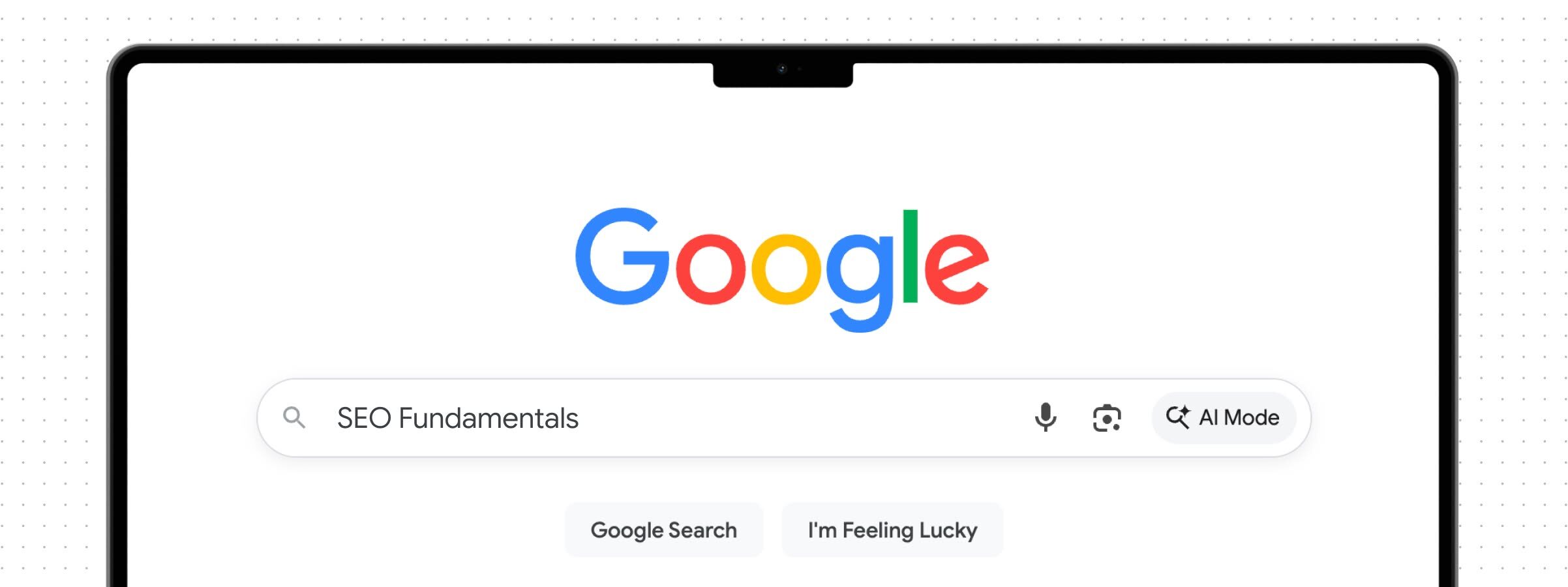
SEO to AEO: Different Name, Same Customer-First Strategy


AI is evolving the marketing world by changing consumer behavior and brand interactions. The most significant impact comes from “zero-click” search results, where AI provides answers directly on results pages. Users now depend on AI summaries for at least 40% of their searches, which has decreased organic web traffic by 15-25%. The most significant shift is that people have stopped clicking, with AI providing instant results.
What we used to measure (eg. clicks/ website sessions) has been replaced with views and impressions – softer metrics that shift how we report because search behaviour has shifted.
In an era where users expect immediate, direct answers, the way we think about search must evolve. Enter: Answer Engine Optimisation (AEO) – the practice of structuring your content so that answer-machines (AI chatbots, voice assistants, AI search overviews) can pull it, reference it and present it as the definitive answer.
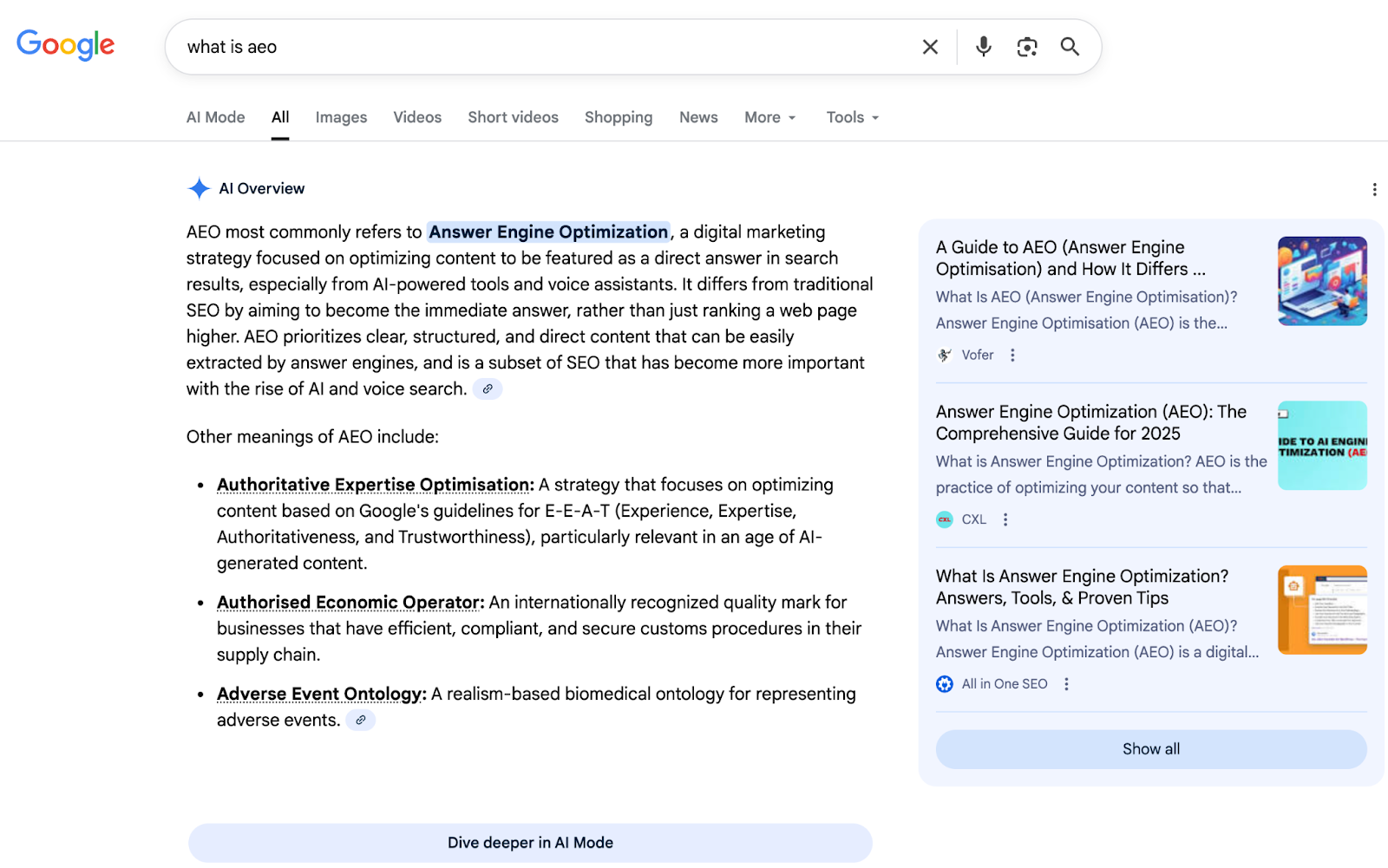
But here’s the key philosophy: this isn’t some radical breakthrough from what we’ve always done with SEO. It’s the same foundation – clarity, authority, relevance – tuned for a new output channel. Good SEO just became better aligned with the “answer-first” web.
Answer Engine Optimisation is the process of optimising content so it can be discovered, interpreted and cited by AI-powered answer engines (such as ChatGPT, Perplexity, Claude, or the AI Overviews in Google Search) instead of just ranking as a link in search results.
Why it matters:
- Users are increasingly getting answers without clicking links – the “zero-click” phenomenon.
- If your content serves as the answer, you bypass some of the competition inherent in traditional SEO.
- You build brand visibility not just through clicks, but through being trusted and referenced.
It’s tempting to say SEO is dead. But the reality is: SEO fundamentals remain critical. What has changed is the output channel and what that channel rewards.
Here’s how they align:
- SEO has always been about intent, relevance and authority. AEO demands the same – but optimises for question-style queries, conversational phrasing, clear answers.
- Technical foundations matter: crawl-ability, good markup, page experience – still relevant. In AEO you add structured data like FAQPage, HowTo schema to make your content extractable.
- Backlinks and mentions matter because they build trust and authority. AEO simply emphasises being referenced in answer engines.
In short: AEO = good SEO + answer-engine readiness.
Here are practical steps you can act on today:
-
- Think in questions and answers
- Identify the exact questions your audience asks using natural language (“How do I…” rather than “product features for…”).
- Provide the answer clearly and early – e.g., a short answer in the first 40-60 words, then expand.
- Use structured data and logical formatting
- Implement schema markup (eg.FAQ, Local Business, etc) to help AI engines parse your content.
- Use headings, bullet points, short paragraphs – make it easy for extraction.
- Cover topics comprehensively
- The answer engine won’t just pick a line – it considers context, completeness and authority behind that answer.
- You’re less fighting for “keyword position” and more for “being the credible answer”.
- Build authority and brand mentions
- Ensure your brand or entity is described clearly across web assets such as Instagram and LinkedIn.
- Secure mentions, citations or authorship signals that answer engines recognise.
- Monitor new metrics
- Instead of just rankings or traffic, we will also be tracking things like: is your content being cited in AI summaries or answer boxes?
- Think in questions and answers
The web has changed. Users expect answers, not links. As Google’s AI Mode changes how Australians search, AI is becoming one of the fastest-growing gateways for those answers.
But the core remains the same: provide helpful content that meets intent, is structured clearly, and earns trust. That was the heart of SEO. Now, it’s the heart of AEO.
So yes – optimise for answer engines. But remember: you’re really just doing good SEO, done for today’s search behaviours.
The brands that win won’t chase gimmicks. They’ll deliver clarity, authority, and answers.
-
![An image of]()
The importance of SEO fundamentals
Jul 2026 3 min read -
![]()
Sod has launched a graduate program
Jul 2026 2 min read