We turned Meta off. Here’s what happened. | March 2026


Each month, we dig into data across property campaigns running nationally. This month, we ran an experiment that confirmed something we’ve long suspected — and the results were hard to ignore.
The Experiment: What Happens When You Turn Meta Off
We deliberately paused Meta Ads on an active project while keeping all other platforms running — REA, Domain, Apartments.com, and AD Group. Brand bidding was also switched off across all platforms.
The result?
The campaign generated just 4-8 leads across all remaining platforms combined.
Without Meta in the mix, the pipeline effectively stopped.
What does this tell us?
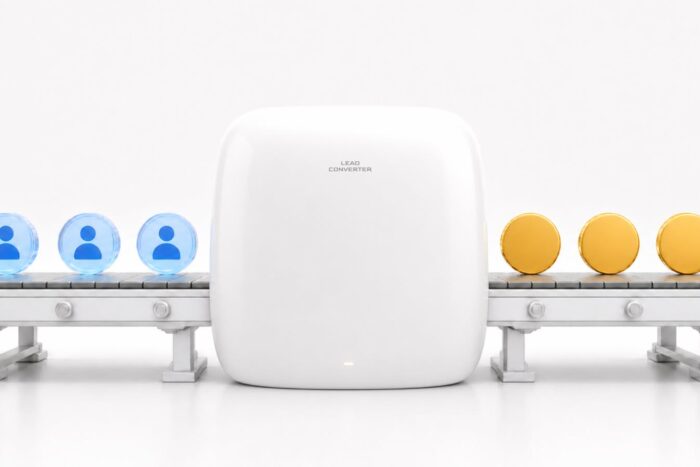
Property portals are excellent at converting existing demand, but they rarely create it. Meta is the engine that generates awareness and intent upstream. When that engine stops, there isn’t enough demand flowing into the lower funnel for portals to convert.
This isn’t a Meta bias. It’s a funnel reality.
In short: Portals harvest demand. Meta creates it. Remove the creation layer, and the whole system underperforms.
A Note on REA Audience Extension
We’ve been asked by several clients whether REA’s Audience Extension product is a genuine alternative to Meta.
Here’s what we know: REA Audience Extension feeds audience data into Meta’s own ad infrastructure via API. In practice, the targeting overlap is significant; you are largely reaching the same people you would be when running a standard Meta campaign.
We haven’t seen data from REA that demonstrates Audience Extension consistently outperforms standard Meta campaigns. If the concern is lead quality from Meta, shifting spend into Audience Extension is unlikely to solve it, as you’re targeting the same pool.
If the quality is not great, we recommend stopping Meta Lead Ads and running Website Conversion Ads. This will drive users to your website, creating an extra layer of research and intent before they enquire.
In short: We don’t advise on running both Audience Extension and Meta Ads, choose your lane. Running Meta Ads natively is cheaper and you have more control.
What Creative is Actually Converting Right Now
This month, we saw strong results from a pre-launch Meta campaign for a residential project in Melbourne. The campaign helped achieve the project’s appointment target for an exclusive pre-launch event, with the majority of attendees attributable to our ads.
What drove the results?
- Interior and facade render ads outperformed lifestyle and copy-led formats
- Facebook delivered significantly more qualified leads than Instagram in this campaign
- Noting that we don’t split the campaign budgets between Facebook & Instagram
- We recommend letting the Meta robot push budget into the channel that is working best that day
- This gives our campaigns the best outcome and bang for buck
- The pre-launch scarcity angle (exclusive, limited, first access) drove urgency and intent
The takeaway for March: If you have renders available, especially interior renders, test them as standalone ad creative. We’re consistently seeing them outperform lifestyle imagery across multiple projects right now.
The Nurture Gap: Where Most Property Leads Go Cold
One of the most consistent gaps we see across property campaigns isn’t in lead generation; it’s in what happens after the lead comes in.
Based on our data:
- ~30% of leads are non-contactable on the first attempt
- ~25% are interested but not ready to move immediately
- Only ~10% will inspect within the first few weeks
That means the majority of your leads require an ongoing nurture journey, and most projects aren’t running one.
What a strong nurture journey looks like:
- Automated welcome email + SMS immediately on enquiry
- Fortnightly or monthly project update emails
- Milestone communications (construction starts, display suite launch, completion date confirmed)
- Consistent remarketing ads to stay top of mind through the decision cycle
The projects that consistently outperform aren’t always the ones with the most leads; they’re the ones that stay in front of their pipeline the longest.
In property, the buyer journey can span 6–18 months. A lead today may convert next year. If you’re not nurturing, a competitor will be, and the result is that you lose a sale that your team could have landed.
How AI & Scheduled Tasks Are Transforming Property Marketing
We’ve been watching how leading agencies and property teams are using AI automation to become more efficient, and the results are compelling.
One area gaining serious traction is AI-powered scheduled tasks for both reporting and lead nurturing. Here’s what’s now possible:
Automated Monthly Reporting
AI tools can be configured to run on a schedule, pulling campaign data, generating performance summaries, and flagging optimisation opportunities automatically. With every output reviewed by a Paid Ads Specialist before actioning, combining automation with expert oversight for consistent, high-performing results.
Automated Lead Nurturing Sequences
Rather than relying on manual follow-up, scheduled AI tasks can:
- Trigger a personalised welcome sequence the moment a lead submits
- Send project updates at set intervals — fortnightly, monthly, or triggered by milestones
- The above two task would come out of the sales member personal email address, not your CRM. So to a customer feels more personal and less like a blanket email.
- Flag leads that haven’t been contacted or have gone quiet
- Remind sales teams of optimal follow-up windows based on lead behaviour and timing
Why this matters for property specifically:
Given the long lead cycles in property – often 6 to 18 months – consistent, automated nurturing is no longer a nice-to-have. It’s a structural competitive advantage.
The projects winning in 2026 aren’t just generating more leads. They’re systematically staying in front of their pipeline while competitors go quiet after the first phone call.
🤝 If you’re interested in exploring how AI-scheduled tasks could work for your project’s reporting or lead nurturing, We are happy to walk you through.
What We’re Recommending This Month
Based on current performance trends across the campaigns we manage:
- Don’t pause Meta – even temporarily. The downstream impact on portals is immediate and significant, as our experiment confirmed.
- Test render-led creative – interior and facade renders as primary ad formats are outperforming lifestyle imagery right now.
- Audit your post-enquiry journey – if you don’t have an automated nurture sequence running after a lead submits, you’re leaving conversions on the table.
- Explore AI automation – scheduled reporting and nurture sequences are accessible, time-saving, and increasingly expected by high-performing teams.
As always, if you’d like a quick conversation about your current campaign performance or how any of this applies to your project — happy to share the stats that we’re seeing across the market.
-
![]()
Why brand authority matters more than ever | SEO/AEO
Aug 2026 4 min read -
![Lead generation depicted visually.]()
5 essentials that drive sales on an ecommerce website
Aug 2026 4 min read