YouTube is the second-largest search engine after Google, and most brands still treat it like a video platform rather than a search channel. That gap matters more by the day. AI is quickly becoming how people search for answers, and YouTube is the platform AI search turns to most: recent research puts its share of video citations in Google’s AI Overviews at roughly a third, with every other video platform trailing a long way behind. Rank well on YouTube now, and a brand doesn’t just get watched, it gets cited as the answer.
None of that happens on autopilot. YouTube is a channel that needs ongoing optimisation to maximise visibility, not a box ticked once when a video goes live.
Locally, the opportunity is hard to ignore. 21 million Australians use YouTube, more time is spent streaming video there than on Netflix, Disney+ or TikTok, and it’s the platform Australians trust most for research and recommendations. That kind of standing is earned through consistent optimisation, not a single upload.
So what earns that visibility? The same signals YouTube has always rewarded are now doing double duty: engagement, relevance, authority, retention and click-through decide whether a video ranks on the platform, and whether it reads as credible enough for AI systems to cite it as an answer. Here’s where we focus for clients.
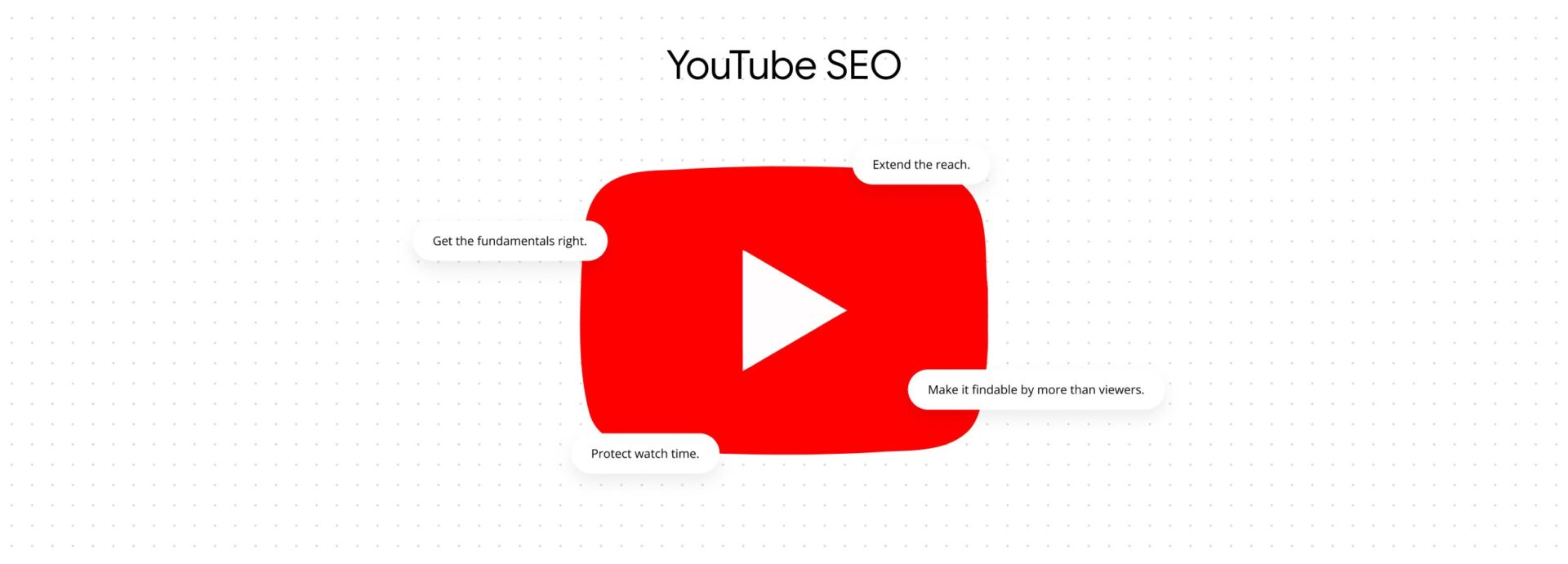
YouTube SEO: the playbook
- Get the fundamentals right. Keyword research before filming, filenames, titles and descriptions built around what people are actually searching for, and hashtags and categories that reinforce it.
- Protect watch time. Strong hooks, chapters, cards and thumbnails that earn the click and keep people watching once they land.
- Make it findable by more than viewers. Google auto-transcribes video content, so a keyword spoken naturally in the video reinforces the same signal as the title and description. Captions and subtitles do double duty here too: they open the content up to a wider audience and give search engines more text to work with.
- Extend the reach. Repurpose existing short-form content into Shorts, and build playlists and series that keep people on the channel for longer.
For any brand with an existing credibility-led channel, this isn’t a rebuild. It’s structuring what already exists across two fronts: earning AI Overview citations on the topics an audience is already asking about, and expanding format, repurposing existing short-form content as Shorts.
The production habits behind this matter more than they get credit for: consistent quality, a script built around the real questions being asked, and testing lower-cost formats like six-second bumper ads for extra reach.
The next step is an audit: what’s already ranking, what’s structured well enough to be citable, and where the highest-opportunity gaps are. From there, a content calendar can prioritise those topics first, rather than trying to fix everything at once.
Done well, YouTube SEO earns two things at once: a place in YouTube’s own results, and a citation everywhere AI search sends people looking for an answer.
Want an audit of where your channel currently stands? Get in touch.

-
![]()
Multi-location marketing for franchise brands: how to scale local visibility
Sep 2026 4 min read -
![How AI search is changing the property buyer journey banner]()
How AI Search Is Changing the Property Buyer Journey
Sep 2026 4 min read