Organic social’s role in community building


Social media has evolved far beyond a distribution channel. Today, it plays a central role in community building, shaping how brands connect, engage and grow meaningful relationships with their audiences.
For brands looking to stand out in increasingly competitive digital spaces, the shift from simply gaining followers to building online communities is critical. Community-led strategies not only drive engagement but also strengthen trust, credibility and long-term brand equity.
What does “community” really mean on social media, and why does it matter for brands?
A social media community is more than an audience. It’s a group of people who actively engage, share values and feel connected to your brand and each other.
Unlike passive followers, communities:
- Participate in conversations
- Engage consistently with content
- Advocate for your brand organically
This is why community engagement marketing has become such a powerful strategy. It transforms social media from a broadcast channel into a two-way relationship builder, where customers buy into added value, shared experiences and a sense of belonging alongside the product itself. This deeper connection makes them far more likely to stay engaged, return, and advocate for the brand over the long term.
How does social media actually build a strong and engaged community over time?
Social media community building doesn’t happen overnight. It’s built through consistent, intentional interactions that create value for your audience.
Key drivers include:
- Consistency in content and messaging
- Two-way communication rather than one-way posting
- Shared identity and values
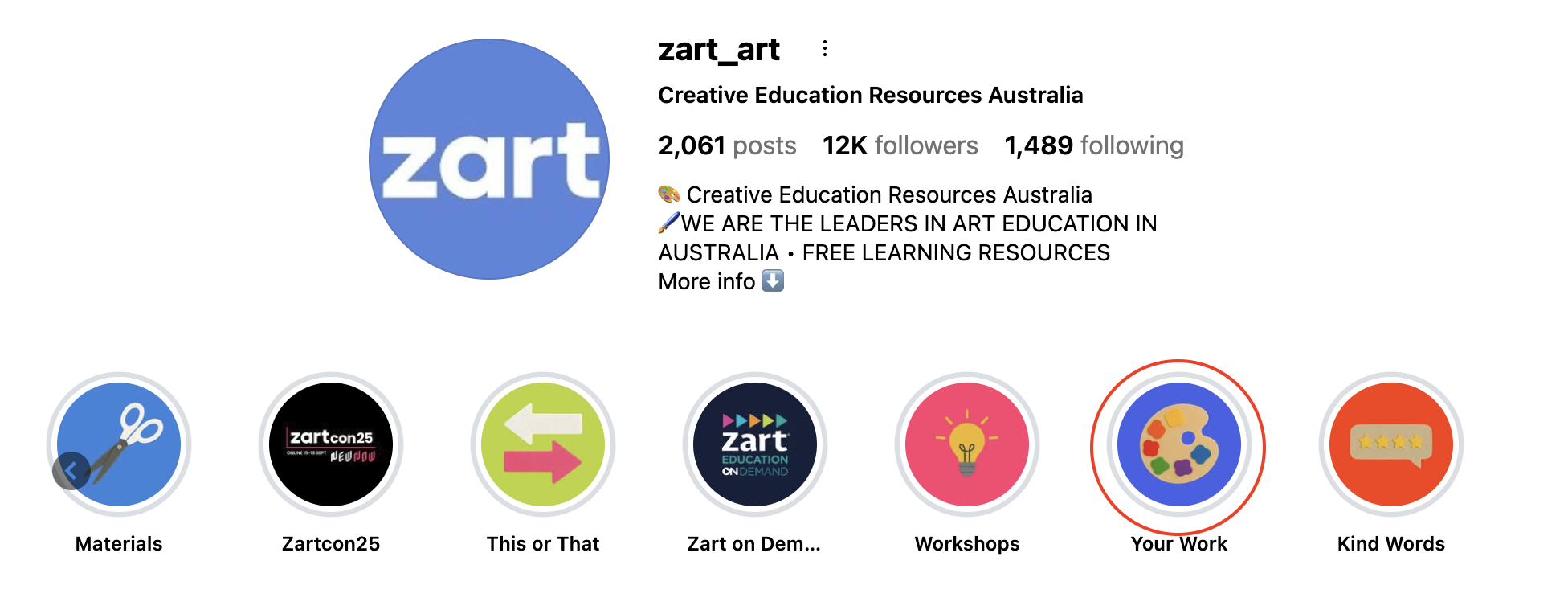
Our work with Zart Art shows this in practice. Rather than using social media as a broadcast channel, Zart Art turned it into a space for participation: sharing classroom ideas while encouraging educators to post their own students’ work. This shifted the dynamic from one-way promotion to a collaborative exchange where teachers feel connected to a wider community.
By inviting contributions and highlighting real classroom use, Zart Art built a sense of ownership, creating an engaged audience where content is co-created, strengthening trust and reinforcing the brand as a go-to resource for creative education. Used this way, social media becomes a tool for connection as much as reach.
Image 1: Zart Art’s “your work” story highlight
Which social media platforms are best for building a loyal online community?
Each platform is unique to different target audiences, so this plays a key role in how online communities are built:
Instagram & TikTok:
Ideal for discovery and engagement through visual storytelling and short-form content, with features such as Instagram Broadcast Channels also allowing brands to share news, updates, and exclusive information directly with followers before public announcements.
Facebook:
Groups Strong for deeper conversations and niche communities.
LinkedIn:
Best for professional communities and thought leadership.
YouTube:
Effective for long-form engagement and building loyal subscriber bases.
The right platform depends on your audience and objectives, but consistency across channels is key. For brands aiming to grow organically, prioritising platforms with strong engagement, not just reach, is essential.
How does a community affect your brand and business?
Short-term impact
- Increased engagement rates
- Higher visibility through algorithm boosts
- More immediate interactions and feedback
Long-term impact
- Stronger brand loyalty on social media
- Increased customer lifetime value
- Organic advocacy and word-of-mouth growth
Communities create a compounding effect. The more engaged your audience is, the more your brand is reinforced through ongoing interaction.
This highlights the broader benefits of online communities for brands, particularly in building sustainable growth rather than relying solely on paid media.
What are the biggest mistakes brands make when trying to build a social media community?
Even with the right intent, many brands struggle with community marketing due to common pitfalls:
- Focusing on followers over engagement
A large audience without engagement isn’t a community. A small audience with strong interaction can be. Not responding to comments or messages can make a brand feel distant and unengaged, weakening its connection with the community. - Overly promotional content
Constant selling removes any feeling of trust and community, making audiences feel like they are being marketed to rather than included in a conversation. - Lack of clear brand voice or values
Without a strong identity or shared purpose, communities struggle to form around the brand in a meaningful way.
Avoiding these mistakes is what separates brands that build a genuine community from those that simply promote a product, and it pays off in long-term trust, loyalty and engagement.
FAQs
How does social media build community?
Social media builds community by enabling consistent interaction, shared experiences and direct communication between brands and audiences.
Why is community important in marketing?
Community strengthens trust, increases engagement and drives long-term brand loyalty.
What is community engagement marketing?
It’s a strategy focused on building relationships and interaction rather than just promoting products or services.
How can brands grow a social media audience organically?
By creating valuable content, engaging consistently and encouraging user participation.
-
![]()
Multi-location marketing for franchise brands: how to scale local visibility
Sep 2026 4 min read -
![How AI search is changing the property buyer journey banner]()
How AI Search Is Changing the Property Buyer Journey
Sep 2026 4 min read