Google Demand Gen: Why It’s the Future of Top-of-Funnel Marketing

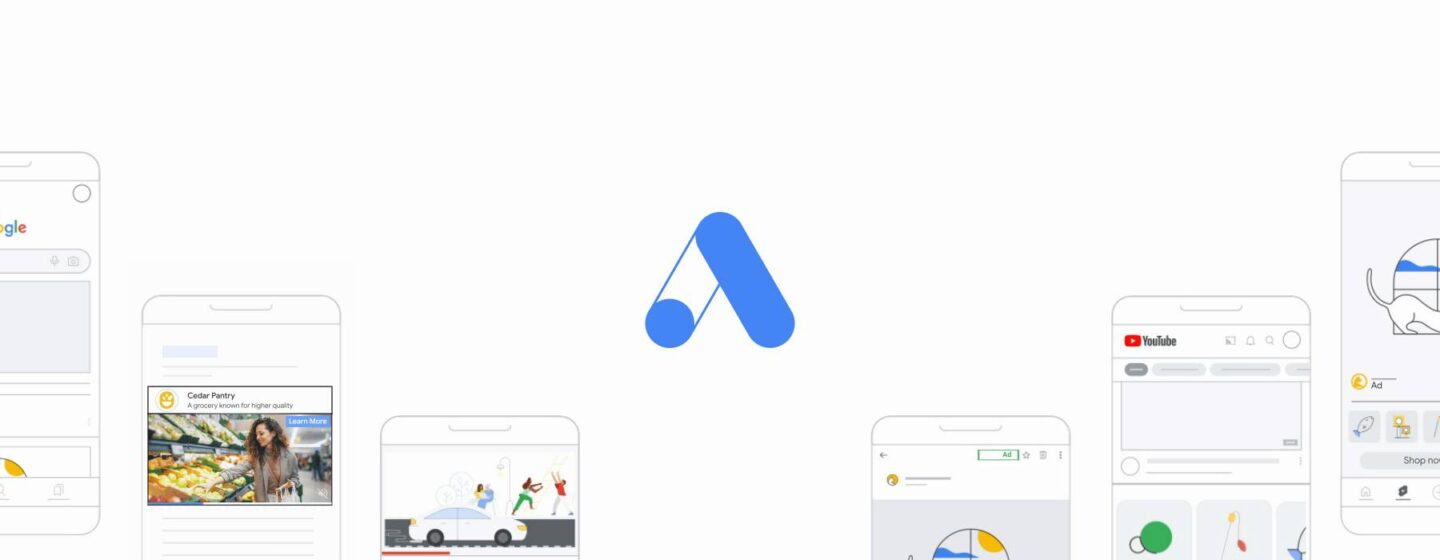
If you’re running digital marketing campaigns, you’ve likely heard the buzz about Google’s new Demand Gen campaigns. Rolled out as the next evolution of Discovery Ads, Demand Gen is Google’s latest top-of-funnel advertising solution designed to capture attention and spark action before users even begin searching.
This campaign type isn’t brand new, but after Google’s most recent Google Ads Academy event, it’s clear that Demand Gen is ready for primetime. Enhanced with AI-powered targeting, improved creative tools, and expanded placements, it’s quickly becoming a must-have in any full-funnel performance marketing strategy.
Today’s Buyer Journey Has Changed
Before we dive deeper, it’s important to understand the modern customer journey.
Today’s consumers don’t move linearly from discovery to decision. They bounce between discovery, validation, and decision-making, often across multiple platforms and formats.
Users bounce between platforms and phases—scrolling Instagram one moment, searching YouTube the next, and making a purchase days later while checking email.
Search is no longer just about typing keywords. It includes voice, image, and video search across Google, YouTube, and even Google Lens.
YouTube and Google have become central to exploration and validation stages.
Shopping happens whenever users are ready—whether during a scroll session, after watching a product review, or while browsing their inbox.
To influence decision-making in this environment, brands must appear earlier and in more visually engaging formats across the platforms where people already spend time.
The reality of consumer choice today is shaped by four key behaviors.
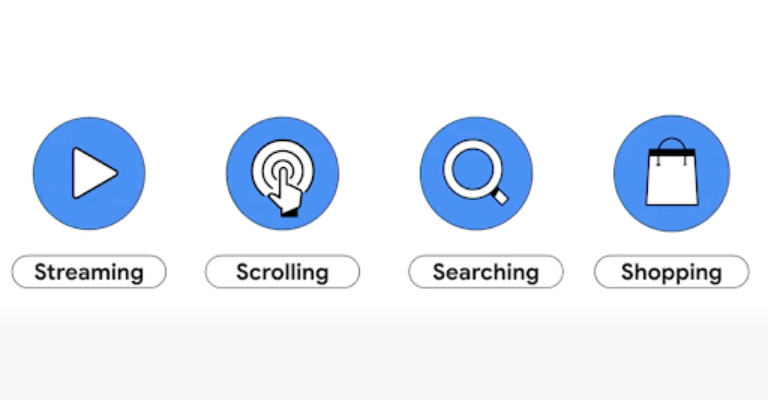
- Streaming – Users passively consume content on platforms like YouTube and social media.
- Scrolling – They explore products or services by casually scrolling, validating options, or discovering new ideas.
- Searching – They seek clarity, often jumping into Google or YouTube to investigate further—via text, voice, or images.
- Shopping – They’re ready to decide and convert, often influenced by what they’ve previously seen.
“Only Google and YouTube place your brand in front of consumers across all four key behaviors.”
With AI-powered campaigns like Demand Gen and Performance Max, Google Ads now connects every stage from passive discovery to active purchase seamlessly and intelligently.
In its latest updates, Google made one thing clear: marketers can now reach audiences earlier, engage them more visually, and influence decisions with greater precision.
Revisiting Google Ads: Understanding the Google Ads Ecosystem
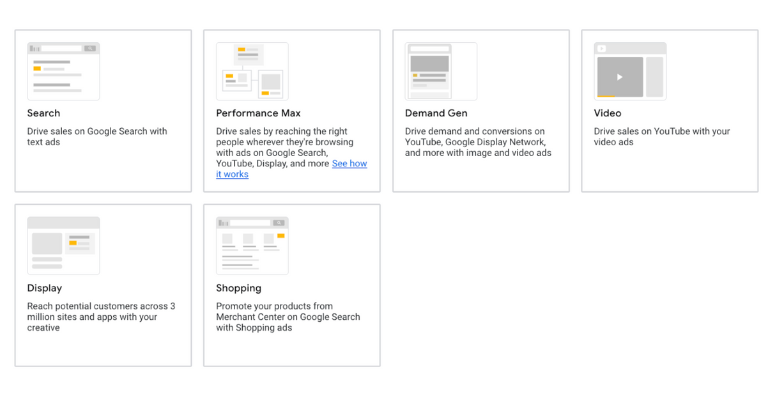
Most marketers still associate Google Ads with Search campaigns. But Google’s ad platform has become far more dynamic in recent years, offering a wide range of campaign types:
Today, Google offers a mix of AI-powered campaign types designed to go beyond traditional campaigns.
- Search: Captures demand when users are actively looking. Search ads are also evolving with the latest AI-powered feature, AI Max for Search, enhancing targeting and performance.
- Performance Max: Full-funnel AI-powered campaigns across all Google inventory.
- YouTube Ads: Great for building awareness with rich video content.
- Display: Broad reach through visuals across websites and apps.
- Demand Gen: New era of visual, engagement-first advertising.
Demand Gen: A New Era of Visual Advertising
So, what is Demand Gen?
Demand Gen (short for Demand Generation) is built for the discovery phase of the funnel. It helps brands spark interest before search begins, capturing attention through rich visuals, short-form video, and immersive placements.
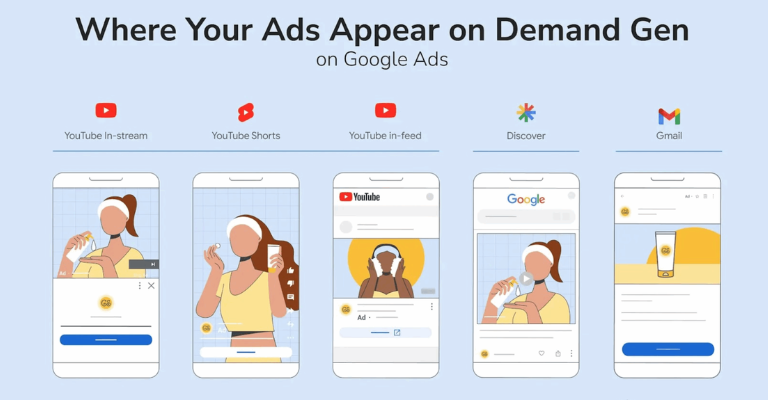
Your Demand Gen ads can appear across:
- YouTube: Including feed ads, Shorts, and In-Stream formats.
- Gmail: Natively integrated into inbox experiences.
- Google Discovery Feed: On the mobile Google app and homepage.
“Google’s answer to Meta and TikTok ads”
Think of it as Google’s answer to Meta and TikTok ads—but integrated across Google’s ecosystem. If you already run thumb-stopping creative on social, Demand Gen brings that same power to YouTube, Gmail, and the Discovery feed.
What’s New With Demand Gen in 2025?
Over the past 12 months, Google has rolled out 60+ improvements to Demand Gen — focused on better targeting, creative performance, and reporting capabilities.
Brands using Demand Gen campaigns saw, on average:
- 26% year-over-year increase in conversion value
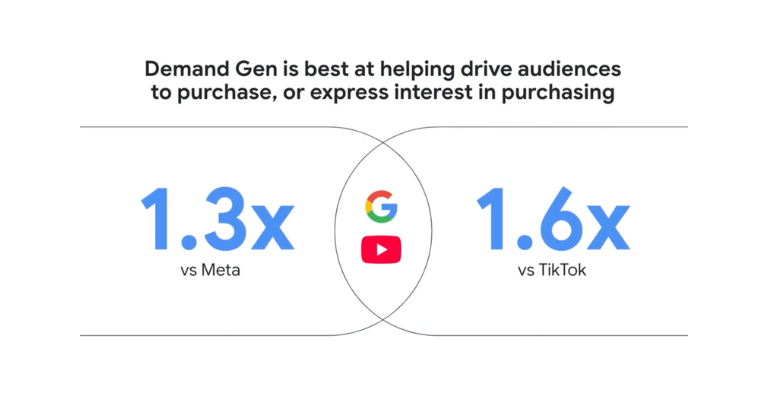
- 1.3x higher performance than Meta AND 1.6x stronger results than TikTok when it came to driving purchase or expressing interest
What You Need to Run a Demand Gen Campaign
Getting started with Demand Gen is straightforward but to do it well, you’ll need to prepare a few essentials.
High-Quality Creative Assets
Demand Gen is a visual-first format, so strong creatives are critical. You’ll need:
- Eye-catching images
- Carousel ads
- videos (especially vertical format)
Pro tip: All video assets must be uploaded to your YouTube channel. If you haven’t already, now’s the time to plan your channel content and structure your uploads with campaign goals in mind.
Defined Audience Signals
To fuel the campaign’s targeting capabilities, Demand Gen offers a range of targeting tools to help you reach the right people at the right time.
- Custom Segments – Target users based on keywords, websites they visit, or apps they use
- Your Data – Retarget past site visitors or existing customers
- Lookalike Segments – Expand reach by targeting users similar to your best customers
- Interest-Based Targeting – Reach audiences based on life events, hobbies, or detailed demographics
Clear Campaign Goals
Know exactly what you’re aiming for whether that’s:
- Lead generation
- Online sales
- Brand awareness or reach
The clearer your objectives, the better Google’s AI can optimise your campaign for performance.
PMAX vs. Demand Gen: What’s the Difference?
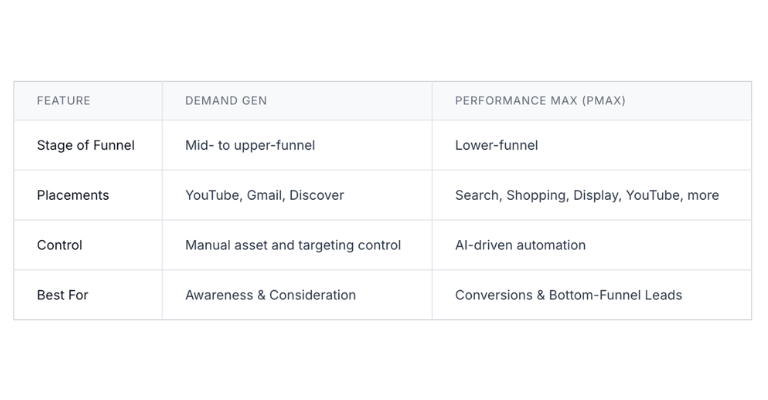
While Performance Max (PMAX) is goal-based and spans all Google channels, Demand Gen is focused specifically on visual discovery placements. Think of it as your social-style campaign within the Google network, made to generate demand, not just capture it.
- PMAX = Performance-focused across all inventory
- Demand Gen = Awareness + engagement with visual formats
How We Measure Success Across the Funnel
Demand Gen primarily targets early to mid-funnel audiences, so measuring its impact means tracking both early-stage engagement and later-stage conversion signals.
Early-Stage Measurements
Success at this stage is about capturing attention and generating interest. Key metrics include:
- Engagement: Video views, watch time, carousel interactions, and click-through rates
- Traffic: New users reached
- Brand Awareness: Increases in search interest or direct traffic influenced by Demand Gen exposure
- User Engagement on Site: How visitors interact with your website after clicking through
Later-Stage Measurements
While Demand Gen focuses on the top and mid-funnel, it plays an important role in driving conversions further down the line. We monitor:
- Assisted Conversions: The indirect contribution of Demand Gen ads to leads or sales, tracked through attribution models
- Quality Traffic: Visits from engaged, relevant audiences who are more likely to convert with follow-up efforts
- Conversion Lift Over Time: Growth in leads or sales that align with Demand Gen campaign activity
How We Roll Out Demand Gen for Our Clients
At sod, we follow a structured rollout process to set Demand Gen campaigns up for long-term success.
If you’re an existing client, over the next few weeks, our Digital Producers (DPs) will reach out to share this plan and explain how they’ll support you throughout your campaign journey.
- Audit Assets & Audiences
Review existing creatives and audience data to ensure Demand Gen readiness. - Create Demand Gen Assets (2 – 3 Weeks)
Share the plan to develop videos, carousels, and images, this may include repurposing existing creatives. A YouTube channel is essential; we’ll help you set it up or guide you through the process. - Test (4 – 6 Weeks)
Run Demand Gen alongside your current Performance Max campaigns to compare performance. - Monitor Early Results
Track engagement and conversions to identify top-performing assets. - Scale & Optimise
Expand winning creatives, refine targeting, and adjust budgets for maximum ROI.
Keep in mind, Demand Gen may not be suitable for every project—it depends on your budget and willingness to test and learn. These factors will be discussed to ensure the best fit for your goals.
Final Thoughts from Our Google Team: Why Now?
Demand Gen is still relatively new, which means less competition, lower CPMs, and greater opportunity to stand out early.
If you’re serious about brand growth, now is the time to test Demand Gen before it becomes saturated. It’s your chance to create demand where it didn’t exist yet and turn attention into action.
Want help getting started with Demand Gen? Let’s chat.
-
![]()
Backing the Right Horse: Four Years of Partnership Success in Property Marketing
Sep 2025 4 min read -
![Two people sitting together facing away with one leaning their head on the others soulder. Neami National logo overlaid on top of this image.]()
Our learnings from THRIVE psychosocial training
Aug 2025 4 min read