Are Google Ads still worth it in the age of AI search?

AI is changing search faster than many advertisers expected.
With AI Overviews reducing click volume, conversational tools like ChatGPT and Claude are changing discovery behaviour, and automation reshaping campaign management, it is completely fair to ask: Is Google Ads still worth it; or is paid search losing relevance?
For many businesses, this question is now central to marketing funnel optimisation and budget allocation decisions. The reality is nuanced. While the impact of AI is real, Google Ads continues to play a critical role in search demand capture
By the end of this guide, you’ll understand whether to continue investing in Google Ads management, rethink your strategy, or adapt how you approach paid vs organic traffic in an AI-driven landscape.
What has AI actually changed about Google search?
AI has not eliminated paid search. It has changed how users interact with it.
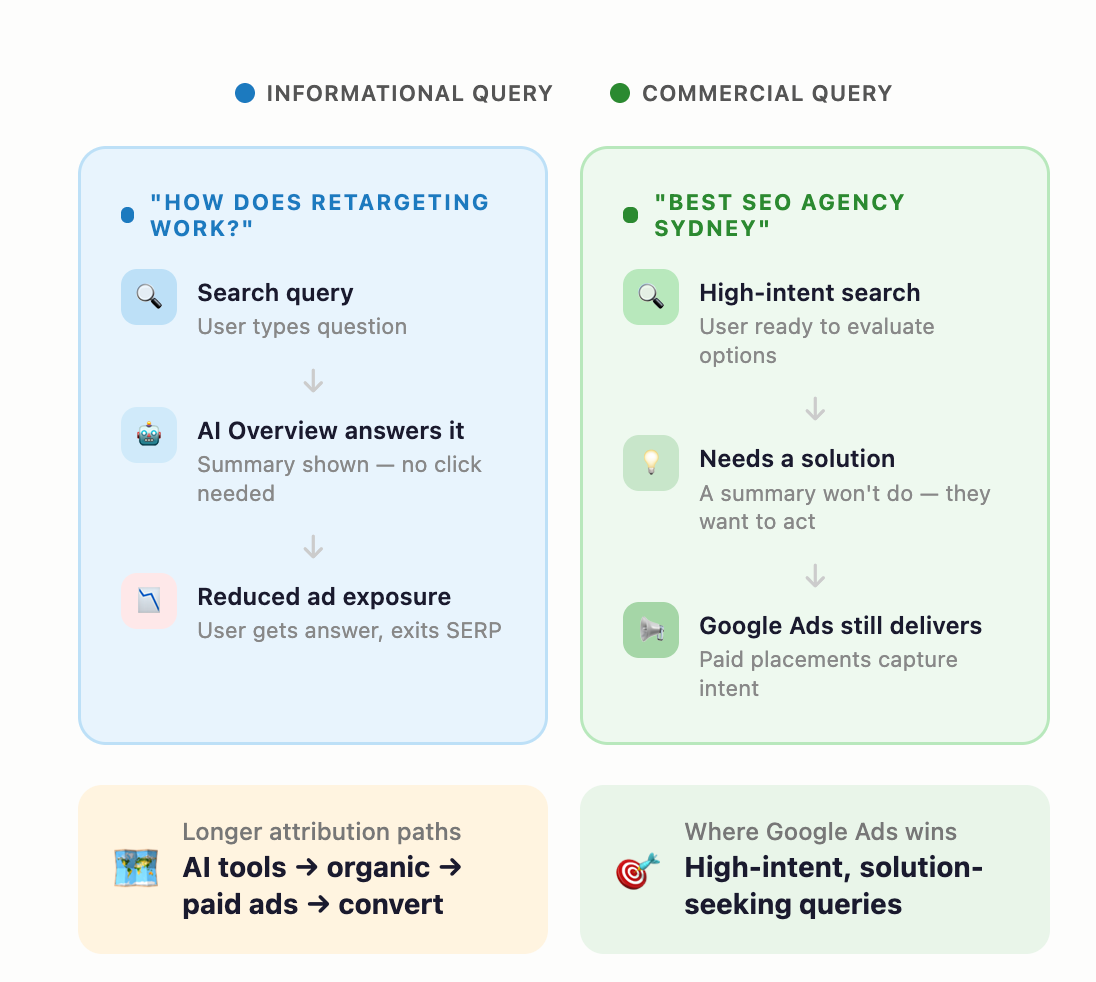
Generative AI search experiences now allow users to receive summarised answers without visiting multiple websites. This reduces exposure to traditional blue links and, in some cases, paid placements.
However, this behaviour is far more common in informational queries than commercial ones.
For advertisers focused on search demand capture, this distinction matters. High-intent searches still require solutions; not summaries. This is where Google Ads continues to deliver value.
At the same time, marketing funnel optimisation is becoming more complex. Attribution paths are longer. Users may engage with AI tools, organic content and paid ads before converting.
This makes channel integration more important than channel replacement.
Are Google Ads still showing up in AI search results?
Yes, Google Ads now appear within and alongside AI-generated search results. Google has officially introduced paid placements across AI Overviews and AI Mode, making AI-driven search results an increasingly important part of the advertising landscape.
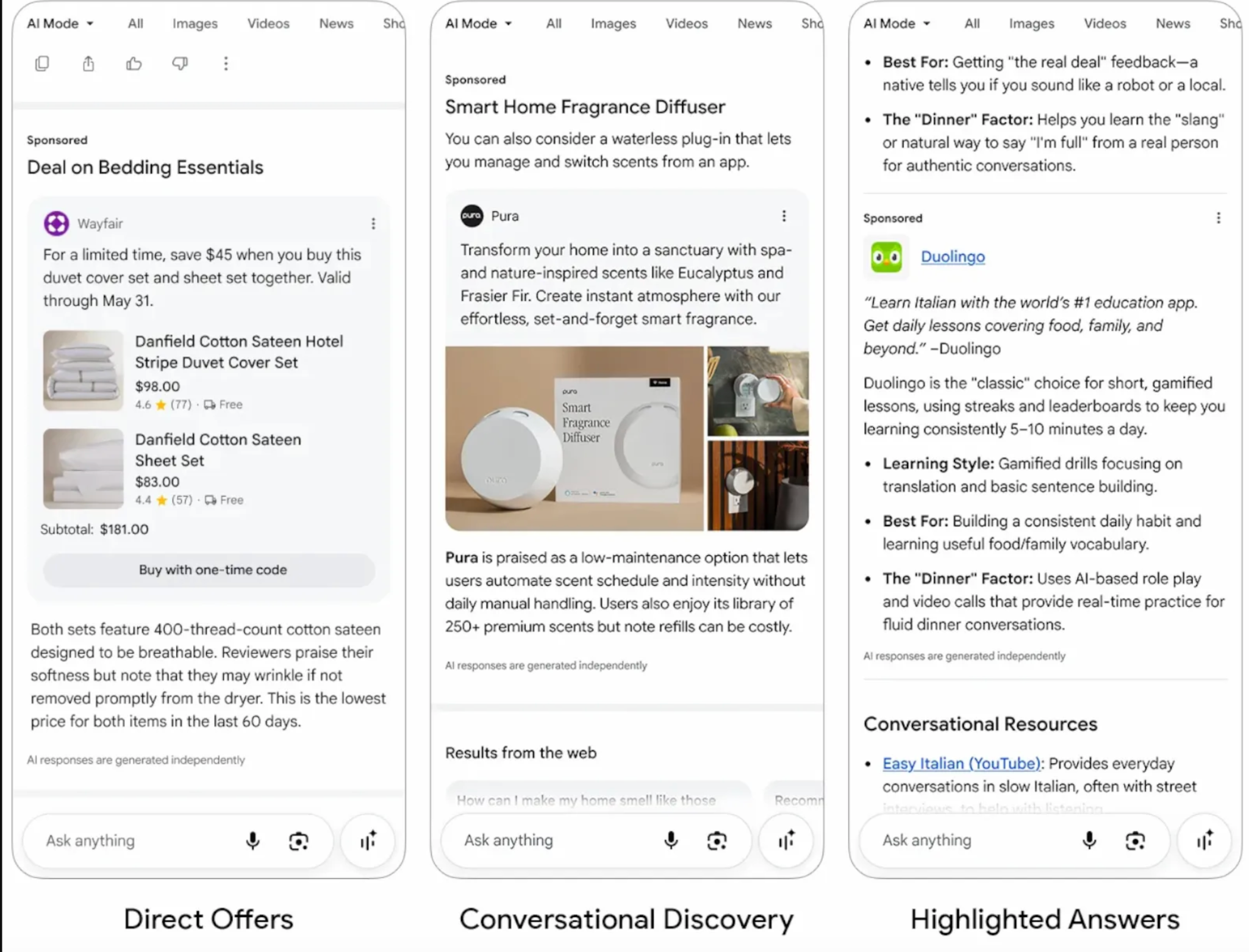
As AI search has already rolled out in Australia, Google Ads placements are continuing to appear alongside AI Overviews and AI Mode for relevant queries. This reinforces a key strategic point:
AI is changing the structure of search, not removing monetisation from it.
Given Google’s reliance on advertising revenue, paid visibility will continue evolving rather than disappearing. Instead, advertisers are likely to see:
- new formats
- blended placements
- automation-driven targeting
- AI-assisted campaign optimisation
This creates both uncertainty and opportunity.
Smart advertisers are already diversifying acquisition strategies across SEO, paid social and content marketing while maintaining strong Google Ads management foundations.
What do advertisers need to do to appear in AI Overviews and AI Mode?
The important point is that there is no separate campaign or placement you can target specifically for AI Overviews or AI Mode. Google determines when an eligible ad can appear based on the search query, user intent, relevance and auction signals.
At the moment, Performance Max and Search campaigns using AI-powered features such as AI Max for Search are two of the key campaign types advertisers should be considering for these emerging AI search environments. Google has confirmed that Performance Max, Shopping and Search campaigns using broad match, including AI Max for Search, can be eligible for placements in AI Overviews and AI Mode.
Where do Google Ads still perform exceptionally well?
Performance today is highly industry-dependent.
Transactional sectors such as finance, healthcare, legal services and home services continue to benefit from urgency-driven search behaviour. Local businesses also perform strongly, particularly when targeting location-specific queries.
Ecommerce brands remain competitive when supported by clear pricing, strong product feeds and formats like Performance Max campaigns. Understanding Google Ads cost dynamics and automation capabilities is increasingly important in these environments.
For these businesses, working with a Google Ads agency or specialist can help navigate automation in advertising while maintaining strategic oversight.
Where should advertisers be more cautious?
There are genuine risks.
As AI search reduces available clicks for informational queries, CPCs may increase in competitive categories. Upper-funnel campaigns may deliver weaker direct attribution. Reporting on AI-driven placements is still limited.
Advertisers cannot yet:
- specifically target AI Overview environments
- opt out of AI eligibility
- fully segment performance reporting
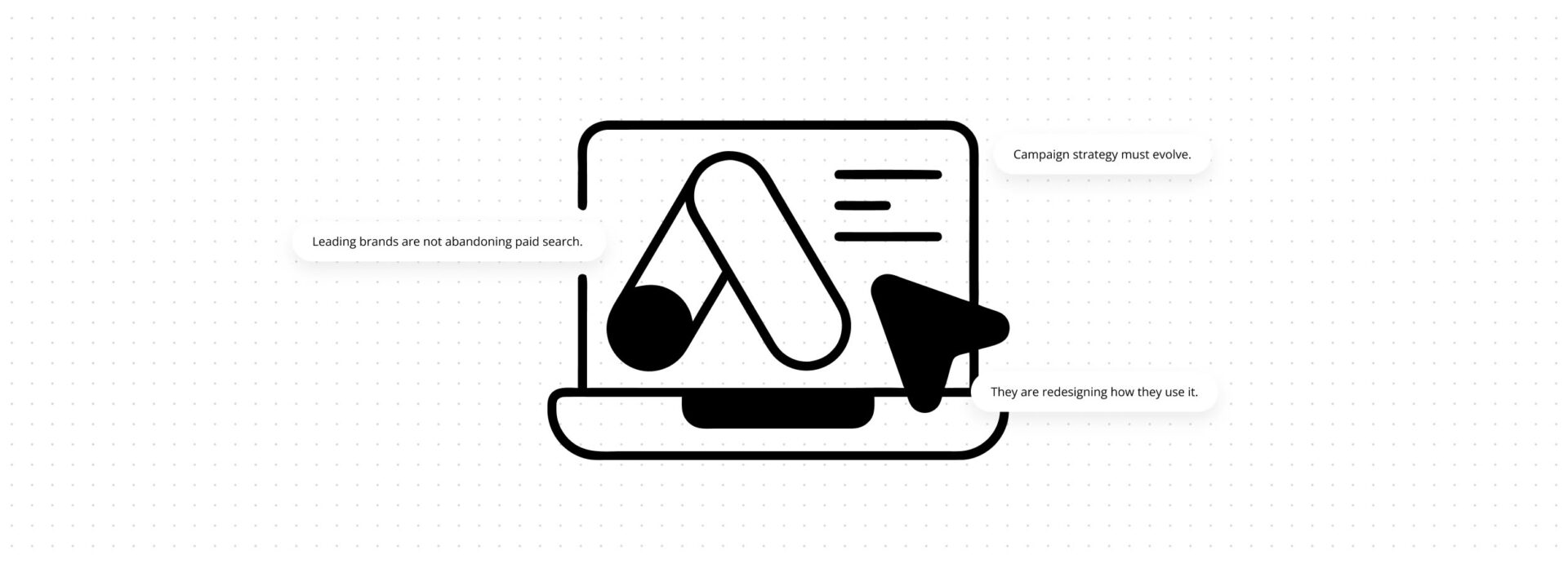
This means campaign strategy must evolve. Paid vs organic traffic decisions now require deeper evaluation of intent, audience signals and conversion pathways.
Does campaign type matter more than ever?
Absolutely. Here are our top 3 picks that we think every Google Ads account should consider testing and learning from..
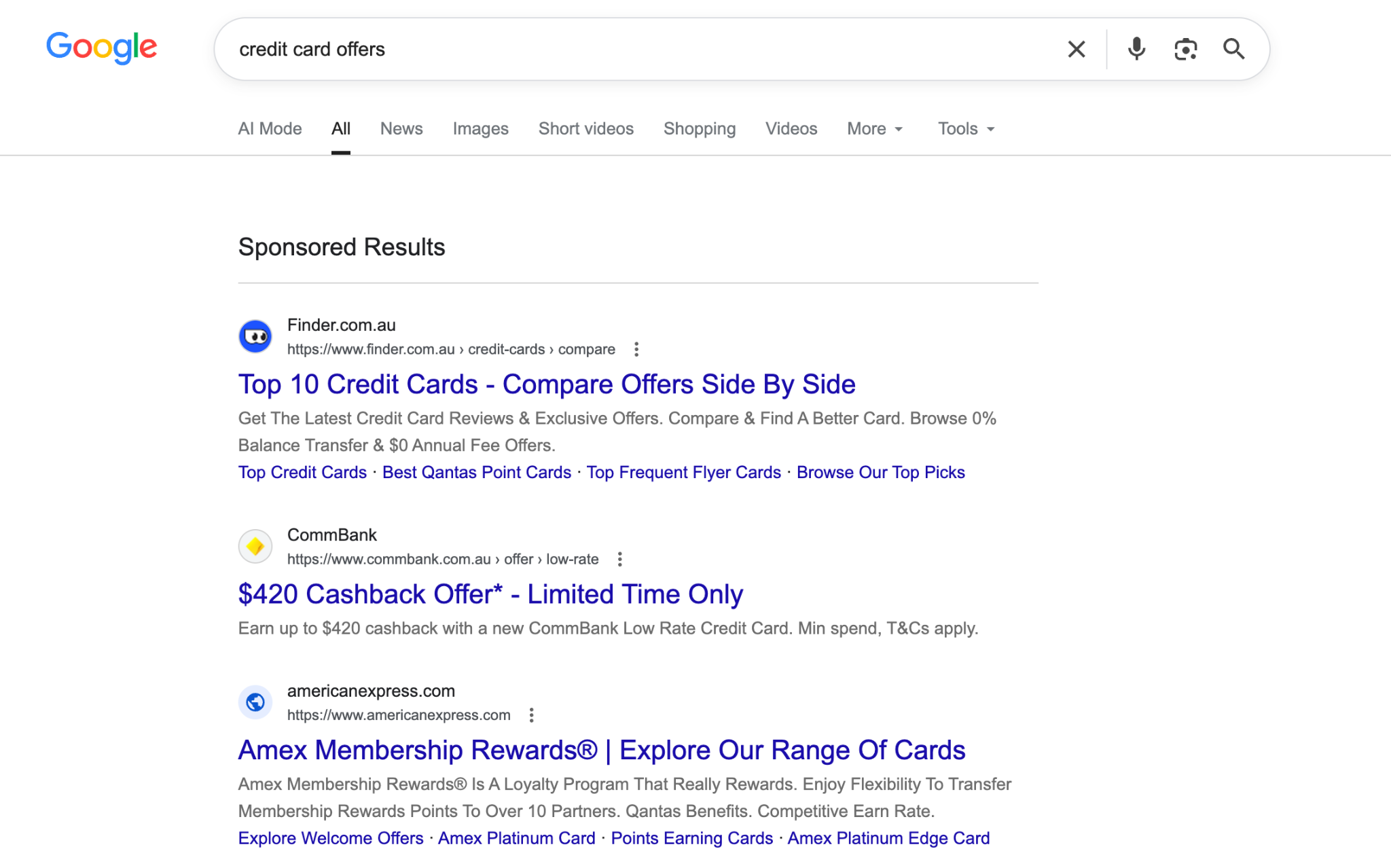
Search campaigns continue to be one of the most reliable campaign types. They hold up well because they focus on high-intent users based on their search queries and keywords, allowing advertisers to reach people who are already actively looking for a product or service.
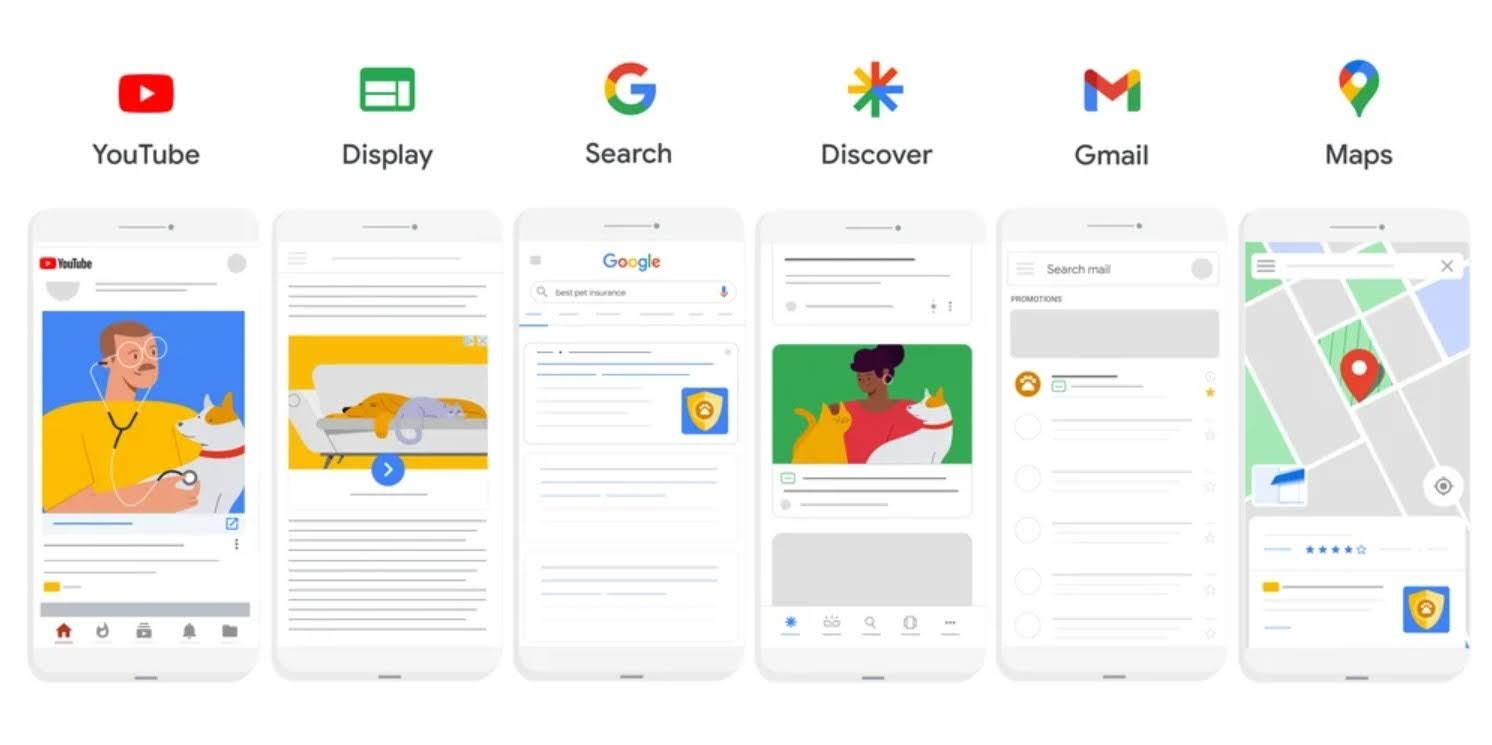
Performance Max helps expand reach across Google’s channels and find high-intent users at scale.Its performance is strongest when supported by quality creative, strong conversion data, and clear campaign signals.
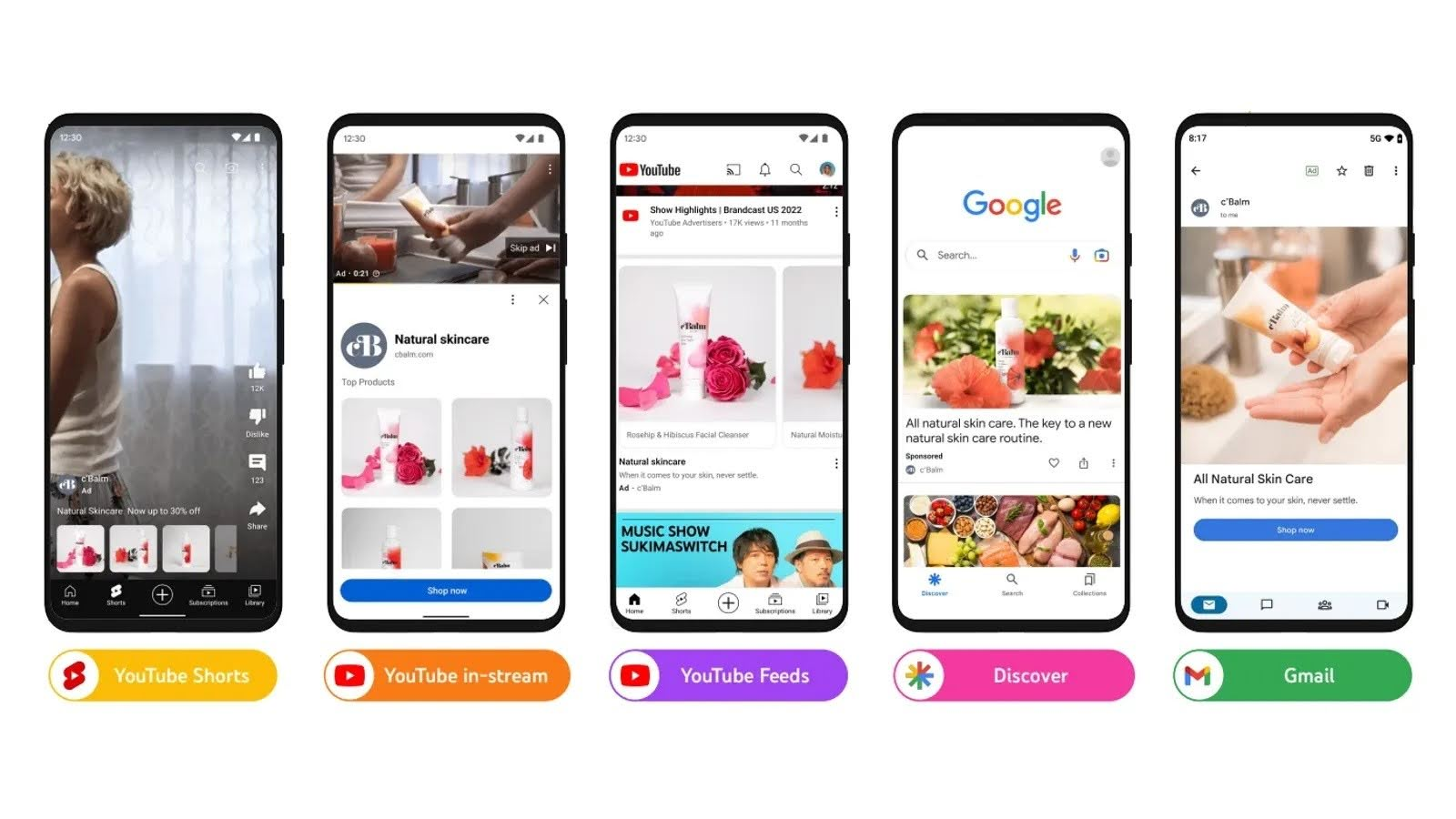
Demand Gen helps build awareness and generate demand by reaching users with engaging visual ads across Google’s discovery-focused placements.It’s ideal for reaching new audiences and influencing users earlier in the buying journey.
What is Sod doing right now?
Leading brands are not abandoning paid search. They are redesigning how they use it.
Instead of relying on manual keyword control, Sod is shifting towards AI-assisted campaign management. We are leveraging automation tools such as Performance Max, Demand Gen, smart bidding and audience signals to improve efficiency and scale performance.
However, automation alone is not the advantage.
The real differentiator is:
- stronger first-party data
- better creative messaging
- integrated channel strategy
- diversified acquisition models
Sod is now treating Google Ads as part of a broader growth system, rather than a standalone performance lever.
The future of Google Ads in an AI-driven landscape
Google generates 56% of its revenue through search ads, which means the company has every incentive to ensure its advertising products remain indispensable, and to adapt them as AI continues to reshape how people search and discover information.
Instead, we are entering a phase where Google Ads vs AI marketing is not a binary choice. AI is becoming embedded within advertising platforms themselves, expanding automation capabilities and changing how performance is measured.
For businesses working with a Google Ads specialist or agency partner, the opportunity lies in embracing these changes, not resisting them.
FAQs
Is AI replacing Google Ads?
No, but AI is now the core engine powering them. At Google Marketing Live 2026, Google made clear that the only way to win in the age of AI is with AI, with Gemini now transforming the entire marketing process, from ad creative to bidding to measurement. Ads aren’t disappearing; they’re being rebuilt around AI infrastructure.
Will AI search reduce Google Ads performance?
It depends on campaign type and intent. Informational queries may see softer performance as AI Overviews absorb clicks. But commercial intent remains strong, and Google is actively expanding ad placements into new AI surfaces. Advertisers using AI Max or Performance Max are seeing 15% more conversions at a similar ROAS.
Should businesses focus on SEO instead of Google Ads?
Both channels serve different purposes and work best together. SEO builds long-term authority, while Google Ads delivers immediate visibility at the moment of intent.
How is automation changing Google Ads strategy?
The role of the advertiser is shifting. Rather than manually managing each campaign setting, the focus is now on setting strategic parameters, building a strong data foundation, and letting AI handle execution.
-
![]()
Multi-location marketing for franchise brands: how to scale local visibility
Sep 2026 4 min read -
![How AI search is changing the property buyer journey banner]()
How AI Search Is Changing the Property Buyer Journey
Sep 2026 4 min read