Google I/O 2026 confirmed what we’ve been saying about AI search


Google I/O 2026 took place last month and they didn’t hold back. AI Overviews are expanding. Gemini is being embedded deeper across Search, Chrome, Android and Workspace. Multimodal search – combining text, voice, images and video – is no longer experimental. It’s the direction.
The headline message from Google is clear: AI-powered search is no longer a future concept. It’s rapidly becoming how people find information online.
And on that, they’re right.
What Google Announced (and Why It Matters)
The standout announcements at Google I/O 2026 centred on three things: the continued rollout of AI Overviews, deeper Gemini integration across the Google ecosystem, and the expansion of multimodal search.
AI Overviews now answer questions before users click anywhere. Conversational responses appear at the top of results, synthesising information from multiple sources into a single generated answer. For many informational queries, the click to your website may never happen.
Gemini’s deeper integration means Google’s large language model is now working across Search, Workspace, Chrome, Android and voice-based experiences. It’s not a side product anymore. It’s the engine.
Multimodal search was another major focus – users can now combine text, voice, images and video simultaneously. The way people search is becoming more intuitive, and that changes what “search optimisation” even means.
This Isn’t Just About Google
Here’s the thing Google’s own announcements won’t tell you: search behaviour has already moved beyond Google.
Users are discovering information through ChatGPT, Claude, Reddit, YouTube and TikTok. These platforms retrieve and surface content differently. AI systems don’t just rank pages – they retrieve passages, compare sources, synthesise answers and build associations between brands and topics.
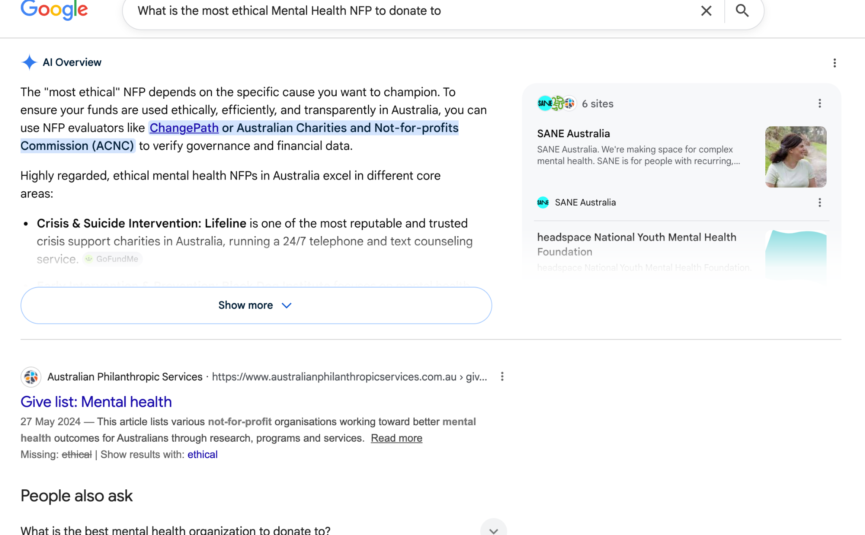
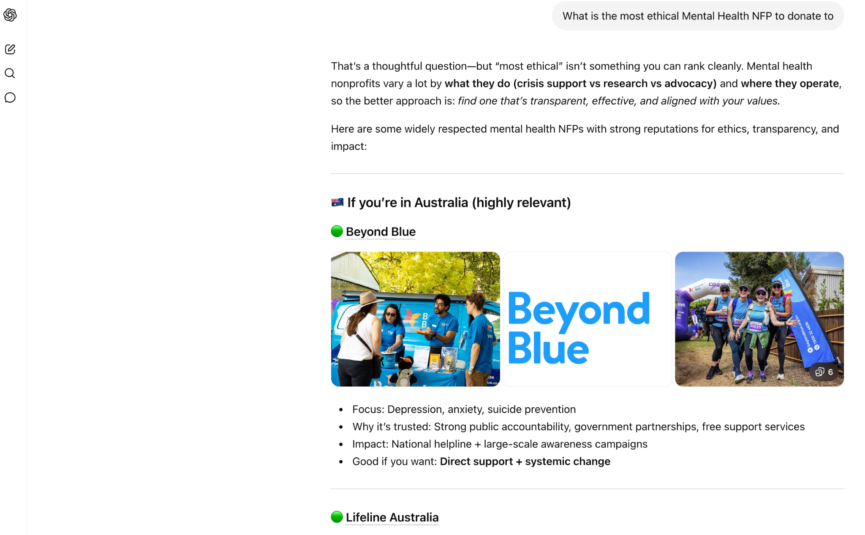
Insight: SEO gets you ranked. GEO/AEO help make sure you get retrieved, referenced and trusted by the systems generating the answers. Your brand’s presence across the web is just as important as your content onsite.
Why Google Is Going AI-First (And Why It’s Not Slowing Down)
Google’s shift is being driven by real changes in user behaviour, not just internal product ambition. People increasingly expect faster, more conversational answers. They’re asking full questions, not just typing fragmented keywords.
There’s also a competitive dimension. ChatGPT and Claude have demonstrated that users are willing to go elsewhere if another platform answers their questions better. Google’s AI-first push is, in part, a response to that pressure.
The result is that AI and SEO are no longer separate conversations. Search engine optimisation is increasingly about creating authoritative, experience-driven content that can be interpreted, summarised and trusted by AI systems – not just indexed and ranked.
What This Means Practically
Google I/O 2026 reinforced something we’ve been saying for a while. The fundamentals haven’t changed – but the playing field has expanded. A few priorities worth acting on:
- Build content around genuine expertise. Generic informational content is exactly what AI can already generate at scale. What it can’t replicate is lived experience, strong perspectives and real client outcomes.
- Keep E-E-A-T at the core. Google’s AI systems are built to reward experience, expertise, authoritativeness and trust. Authors, credentials, sources, case studies — make them visible.
- Get the technical foundations right. Crawlability, indexability and structured data matter more than ever. If AI systems can’t cleanly read and classify what you publish, they won’t surface it.
- Build presence beyond your site. Third-party mentions, digital PR, reviews and social content all feed how AI systems understand your brand. Visibility is no longer shaped by your website alone.
- Treat SEO and AEO as one strategy. The strongest approaches combine traditional search optimisation with Answer Engine Optimisation – not one or the other.
Our Take
Google I/O 2026 was a clear signal that AI-powered search is accelerating, not slowing down. The direction is set.
What it didn’t resolve is the wider shift in how discovery works – across platforms, across AI systems, across the full digital landscape. That’s a bigger conversation than any single product announcement.
The brands that will come out ahead aren’t necessarily the ones with the best rankings today. They’ll be the ones AI systems consistently understand, trust and choose to reference – across Google, and beyond it.
FAQs
What were the biggest Google I/O 2026 AI announcements?
Some of the biggest Google I/O AI announcements included expanded AI Overviews, deeper Google Gemini integration across products, multimodal search capabilities, and enhanced conversational search experiences.
How will AI Overviews affect SEO?
AI Overviews may reduce clicks for some informational searches, but they also create opportunities for brands with strong EEAT and authoritative content to gain greater AI visibility within search results.
What is the difference between AEO and SEO?
Search Engine Optimisation focuses on improving rankings in traditional search results, while Answer Engine Optimisation focuses on structuring content for AI-generated answers and conversational search environments.
What Does Google Gemini Mean for Search and Content Discovery?
Google Gemini was one of the central focuses of Google I/O 2026, reinforcing how deeply generative AI search is becoming embedded into Google’s ecosystem. Gemini is designed to support more advanced reasoning, multimodal understanding, and conversational interactions across platforms.
How can businesses prepare for AI-powered search?
Businesses can prepare for AI-powered search by improving content quality, strengthening EEAT, optimising for user search intent, and creating structured, authoritative content designed for both users and AI systems.
-
![]()
Multi-location marketing for franchise brands: how to scale local visibility
Sep 2026 4 min read -
![How AI search is changing the property buyer journey banner]()
How AI Search Is Changing the Property Buyer Journey
Sep 2026 4 min read